Why Oil Changes Still Matter in 2026
Your engine oil does more than lubricate. It cools internal components, suspends microscopic metal particles, prevents corrosion, and seals the gaps between piston rings and cylinder walls. When oil degrades, every one of these functions suffers -- and repair costs follow.
Modern engines are more efficient than ever, but they also run at higher temperatures and tighter tolerances. Skipping or delaying an oil change is one of the fastest ways to shorten your engine's life.
Oil Change Intervals: What the Numbers Actually Mean
The old "every 5,000 km" rule is outdated. Today's intervals depend on your oil type, driving style, and engine design.
Synthetic Oil
Most European manufacturers -- Volkswagen, BMW, Mercedes-Benz, Skoda, and others -- now specify fully synthetic oil. Typical intervals for synthetic oil:
- Standard driving: 15,000 km or 12 months, whichever comes first
- Mixed driving (city + highway): 10,000--15,000 km
- Heavy use (short trips, towing, dusty roads): 7,500--10,000 km
Conventional (Mineral) Oil
If you drive an older vehicle that uses conventional oil:
- Standard driving: 5,000--7,500 km or 6 months
- Heavy use: 3,000--5,000 km
Long-Life Oil
Some manufacturers offer long-life service intervals of 20,000--30,000 km. These require specific oil specifications (for example, VW 504.00/507.00 or BMW LL-04). Using the wrong oil on a long-life schedule will cause premature engine wear.
The golden rule: always follow your manufacturer's recommended interval and oil specification. You will find both in your owner's manual or service book.
Synthetic vs Conventional Oil: Which Should You Use?
Synthetic oil costs more per litre, but it almost always saves money over time. Here is why:
| Factor | Synthetic | Conventional |
|---|---|---|
| Change interval | 10,000--15,000 km | 5,000--7,500 km |
| Temperature stability | Excellent | Moderate |
| Cold-start protection | Superior | Adequate |
| Engine deposit prevention | High | Moderate |
| Annual cost (typical) | Similar or lower | Similar or higher |
For Central European drivers who face cold winters and hot summers, synthetic oil provides measurably better protection at temperature extremes. If your car's manufacturer recommends synthetic, never downgrade to conventional.
7 Warning Signs Your Oil Needs Changing
Do not rely solely on mileage. Watch for these indicators:
- Dark, gritty oil on the dipstick. Fresh oil is amber and translucent. If yours is black and feels gritty between your fingers, it is saturated with contaminants.
- Engine noise has increased. Worn oil loses viscosity, which means less cushioning between metal parts. You may hear ticking, knocking, or a rougher idle.
- Oil warning light. This indicates low oil pressure -- a serious condition. Pull over safely and check your oil level immediately.
- Exhaust smoke. Blue or grey smoke from the exhaust can signal oil burning past worn seals, often worsened by degraded oil.
- Reduced fuel economy. Dirty oil increases internal friction, which forces the engine to work harder and burn more fuel.
- Oil smells burnt. If you check the dipstick and the oil smells acrid or burnt, it has broken down and needs replacing.
- You cannot remember the last change. If you have to think about it, it is probably overdue.
Seasonal Considerations for Central European Drivers
Climate plays a bigger role in oil health than most drivers realize.
Winter (October -- March)
Cold starts are the hardest moments for your engine. Oil thickens in low temperatures, which means it takes longer to reach every moving part. For winter driving in Central Europe:
- Use oil with a low winter viscosity rating (the number before the "W"). 5W-30 or 0W-30 flows faster in cold conditions than 10W-40.
- If your oil change falls in autumn, do it before the first frost rather than after. Starting winter with fresh oil reduces cold-start wear significantly.
- Short trips in cold weather are especially hard on oil because the engine never fully warms up, allowing moisture and fuel to accumulate in the oil.
Summer (April -- September)
High ambient temperatures and long motorway drives push oil temperatures up. Ensure your oil meets the manufacturer's high-temperature viscosity specification, and check your oil level more frequently during heat waves or before long road trips.
How to Track Your Oil Changes (and Why It Matters)
Keeping accurate records of every oil change protects you in three ways:
- Warranty compliance. If you need to make a warranty claim, you will need proof of regular maintenance.
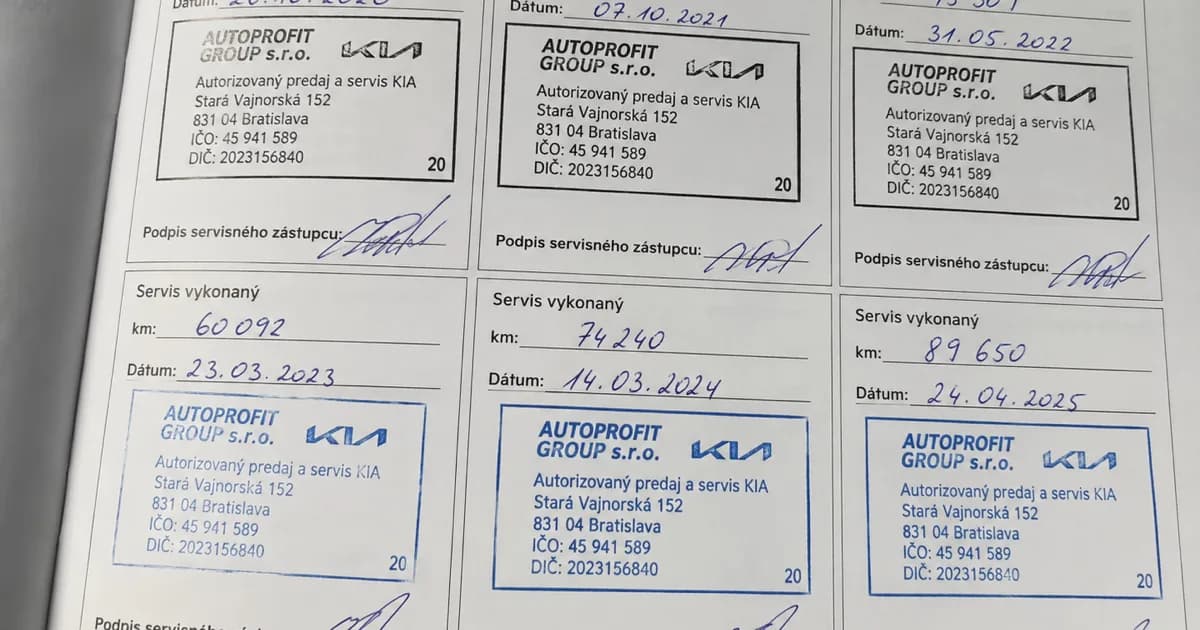
- Resale value. A documented service history significantly increases your car's value on the used market in countries like Germany, Austria, Czech Republic, Slovakia, and Poland.
- Early problem detection. If you notice oil consumption increasing between changes, that trend is only visible when you have consistent records.
A digital service book like Car Service Book lets you log every oil change with the date, mileage, oil type, and cost. You can set reminders for the next change so you never miss an interval, and the full history stays with the car if you sell it.
DIY Oil Change vs Professional Service
Do It Yourself
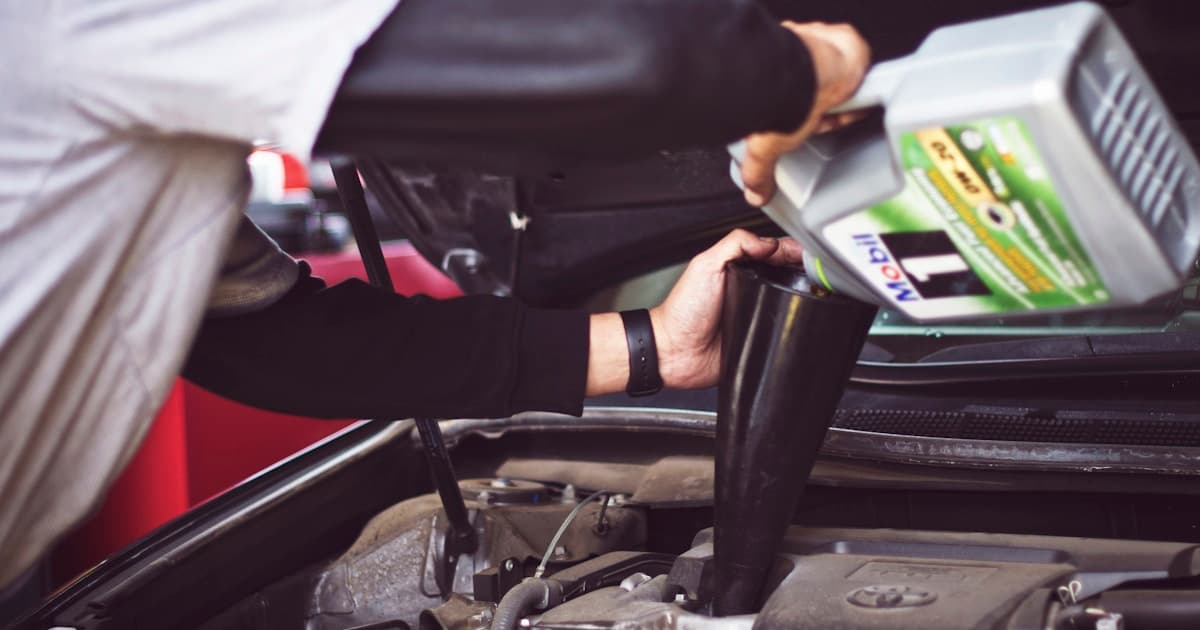
A DIY oil change costs roughly 30--60 EUR for oil and a filter. You will need:
- The correct oil (check your manual for the specification)
- A matching oil filter
- A drain plug washer
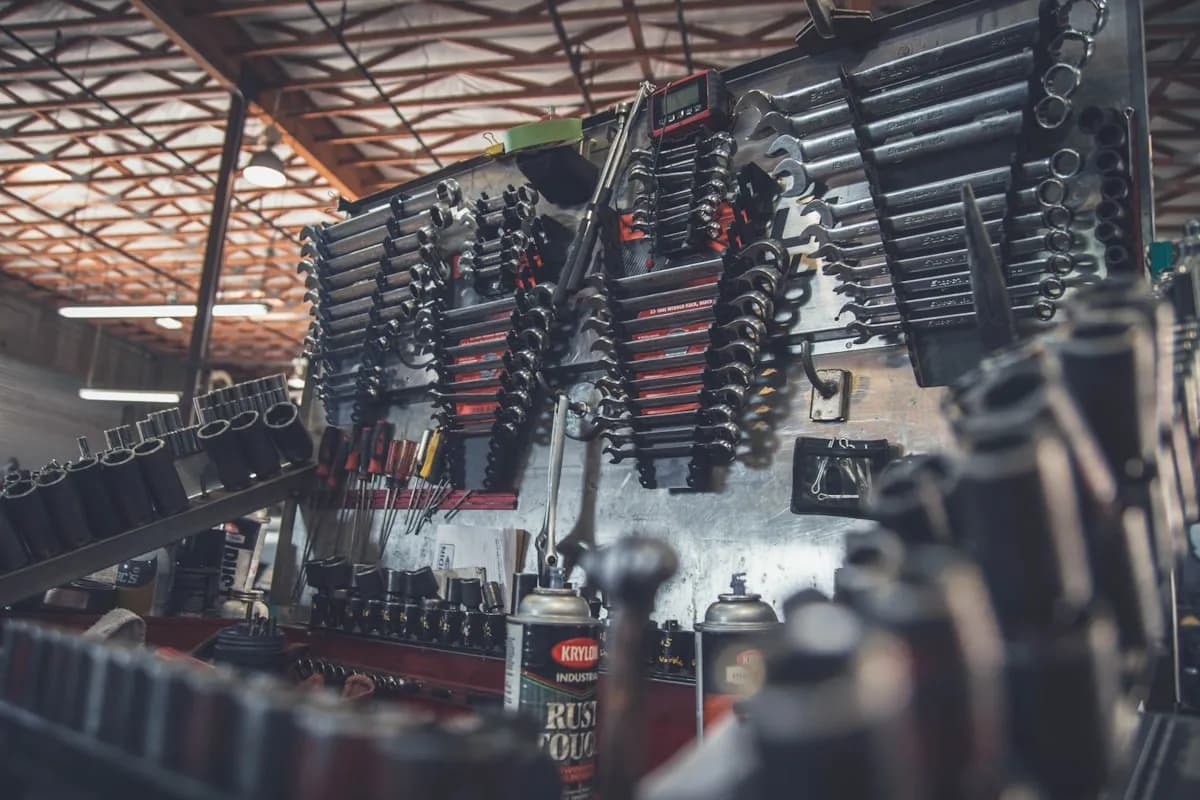
- A socket wrench, oil drain pan, and funnel
Tip: Always warm the engine for a few minutes before draining. Warm oil flows out more completely and carries more contaminants with it.
Professional Service
A workshop oil change typically costs 80--150 EUR in Central Europe, depending on the oil type and vehicle. The advantages: proper disposal of old oil, a multi-point inspection, and a stamped service record.
Whichever route you choose, log the service. A missing entry in your maintenance history is a red flag for any future buyer.
Quick Reference: Oil Change Checklist
Before your next oil change, confirm these details:
- Oil specification -- found in your owner's manual (e.g., ACEA C3, VW 502.00)
- Oil viscosity -- e.g., 5W-30, 0W-40
- Oil capacity -- how many litres your engine needs (typically 4--6 L)
- Oil filter part number -- use the OEM or equivalent
- Drain plug torque -- overtightening cracks the oil pan; undertightening causes leaks
- Current mileage -- log it for your records
Frequently Asked Questions
How often should you change your engine oil?
For cars using fully synthetic oil, most manufacturers recommend every 10,000-15,000 km or 12 months, whichever comes first. Shorten that to 7,500-10,000 km if you mostly drive short trips, tow, or drive on dusty roads. Cars still running conventional (mineral) oil need changes every 5,000-7,500 km or 6 months. Always check your owner's manual or service book for your exact manufacturer specification.
What's the oil change interval in kilometers?
It depends on the oil type: synthetic oil typically lasts 10,000-15,000 km under standard driving, long-life oil (like VW 504.00/507.00 or BMW LL-04) can stretch to 20,000-30,000 km, and conventional oil needs replacing every 5,000-7,500 km. Heavy use -- short trips, towing, dusty roads -- shortens all of these intervals.
How much does an oil change cost?
A DIY oil change costs roughly 30-60 EUR for oil and a filter. A workshop service typically runs 80-150 EUR in Central Europe, depending on your oil type and vehicle, and includes proper disposal of the old oil plus a stamped service record.
What are the warning signs my oil needs changing?
Watch for dark, gritty oil on the dipstick, increased engine noise (ticking or knocking), an illuminated oil warning light, blue or grey exhaust smoke, reduced fuel economy, or a burnt smell from the oil. If you can't remember your last change, it's probably overdue.
Is synthetic oil worth the extra cost?
Yes, for most drivers. Synthetic oil costs more per litre but lasts 2-3 times longer between changes, handles temperature extremes better, and reduces engine deposits -- so the annual cost is usually similar or lower than conventional oil, with better protection. If your manufacturer specifies synthetic, never downgrade to conventional.
The Bottom Line
Regular oil changes are the single most cost-effective maintenance task you can perform. The oil itself is inexpensive compared to the engine it protects. Stick to your manufacturer's recommended interval, use the correct specification, adjust for your driving conditions, and keep records of every service.
Your engine will thank you with reliable performance for years to come.