Why a Proper Inspection Matters
Buying a used car is one of the largest purchases most people make after a house. Yet many buyers spend more time researching a new phone than inspecting the car they are about to spend thousands of euros on.
A thorough pre-purchase inspection takes 30-60 minutes and can save you from buying a car with hidden damage, mechanical problems, or a manipulated service history. The cost of missing a serious issue — a failing transmission, hidden accident damage, or a tampered odometer — ranges from €1,000 to €10,000 or more.
This guide covers everything you need to check, in order, so you can walk away from a bad deal or negotiate a fair price with confidence.
Before You See the Car
Check the Documents First
Before you even look at the car in person, request these documents:
- Registration certificate (vehicle logbook) — verify the VIN, owner count, and registration date match the listing
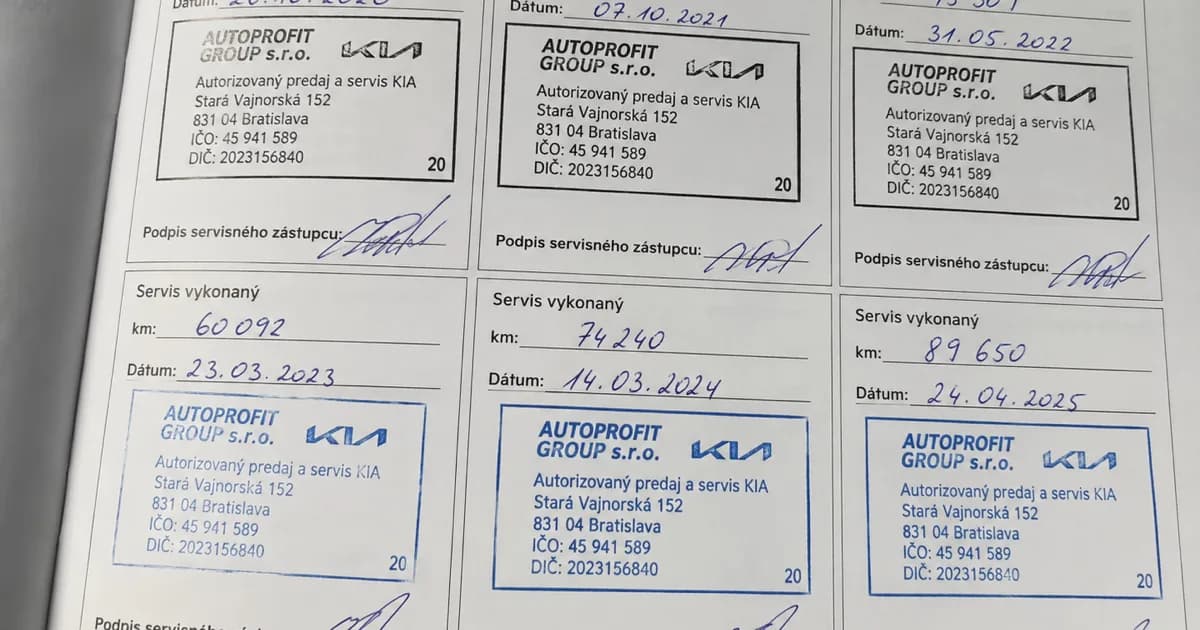
- Service history — a complete service book (paper or digital) with stamps and records from authorized or reputable workshops
- MOT/inspection history — STK, TUV, or equivalent in your country. Check for patterns of repeated failures
- Insurance claim history — if available, ask whether the car has been in any accidents
Online Checks
- VIN check — run the Vehicle Identification Number through a database to check for outstanding finance, stolen status, write-off history, and odometer records from other countries
- Odometer verification — compare the current reading against historical MOT records. A car that had 120,000 km at its last inspection two years ago and now shows 95,000 km has been clocked
- Market price comparison — if the price is significantly below market value, ask yourself why. Unusually cheap cars often hide expensive problems
Exterior Inspection
Body and Paint
Examine the car in daylight, ideally when the car is dry and clean. Rain and dirt hide imperfections.
- Panel gaps — check the gaps between doors, bonnet, boot lid, and fenders. Uneven gaps indicate previous accident damage or poor body repair
- Paint consistency — look along the side of the car at a low angle. Repainted panels have a different texture or shade compared to original paint. A paint depth gauge is a worthwhile €20 investment
- Rust — check wheel arches, door sills, the bottom edges of doors, and the area around the windscreen. Surface rust is cosmetic; structural rust in the chassis or subframe is a deal-breaker
- Windscreen — chips and cracks can fail the MOT inspection. Check for delamination around the edges
- Headlights and tail lights — look for moisture inside the housings. Foggy headlights suggest poor seals or prior front-end damage
Tyres
Tyres tell you a lot about how a car has been maintained and driven.
- Tread depth — legal minimum is 1.6 mm, but anything under 3 mm means replacement soon (€400-800 for a set of four)
- Uneven wear — wear only on the inside or outside edge indicates alignment problems or worn suspension components
- Tyre age — check the DOT code on the sidewall. The last four digits indicate the week and year of manufacture. Tyres older than 5-6 years should be replaced regardless of tread depth
- Matching tyres — all four tyres should be the same brand and model, or at minimum the same on each axle. Mismatched tyres suggest the owner cut corners on maintenance
Underneath the Car
If possible, look under the car or request a lift inspection at a garage.
- Oil leaks — dark spots on the ground under the engine or transmission. Fresh oil on the underside of the engine block is a red flag
- Exhaust system — check for rust holes, loose sections, or temporary repairs with tape or clamps
- Suspension components — look for leaking shock absorbers, cracked bushings, and corroded springs
- Chassis and subframe — structural rust here is dangerous and expensive to repair. Walk away if the chassis is compromised
Interior Inspection
Cabin Condition
The interior reveals how the car has been treated daily.
- Seat wear — a car claiming 60,000 km but with a heavily worn driver's seat and steering wheel has likely done significantly more
- Pedal wear — rubber pedal covers wear through at around 100,000-150,000 km. Brand new pedal rubbers on a car with high mileage suggest they were replaced to hide true usage
- Dashboard warning lights — turn the ignition to the ON position (do not start the engine). All warning lights should illuminate briefly and then turn off. If the check engine light, airbag light, or ABS light does not come on at all, the bulb may have been removed to hide a fault
- Electrical systems — test every switch: windows, mirrors, air conditioning, heated seats, infotainment system, USB ports, and parking sensors
- Air conditioning — turn it on and verify cold air comes out within 30 seconds. A non-functional AC can cost €500-1,500 to repair
- Smell — musty or damp smells indicate water ingress. A strong air freshener may be masking something
Boot and Spare Wheel
- Boot floor — lift the carpet and check for rust, water staining, or signs of flood damage
- Spare wheel and tools — verify they are present and in usable condition
- Boot seal — check the rubber seal around the boot opening for damage or poor fit (indicating rear-end repair)
Engine Bay Inspection
Open the bonnet and take your time. You do not need to be a mechanic to spot warning signs.
- Oil level and condition — pull the dipstick. The oil should be amber to dark brown on a petrol engine. Black, gritty oil has not been changed recently. Milky or foamy oil on the dipstick or oil cap indicates a head gasket problem — walk away
- Coolant — check the expansion tank. The coolant should be clean (typically pink, blue, or green). Brown or rusty coolant indicates neglected maintenance. Never open a hot coolant cap
- Hoses and belts — squeeze rubber hoses. They should be firm but flexible, not cracked, swollen, or rock-hard. Check the serpentine belt for cracks and fraying
- Battery — look at the manufacture date. Batteries older than 4-5 years may need replacement soon (€80-150)
- Modifications — aftermarket air filters, exhaust modifications, or engine tuning boxes suggest the car may have been driven hard. These modifications can also void manufacturer warranties
Test Drive Checklist
The test drive is where many hidden problems reveal themselves. Plan a route that includes city streets, a highway section, and some uneven roads.
Cold Start
- Ask to start the car yourself when the engine is cold. Sellers sometimes warm the car before you arrive to hide cold-start problems. A cold engine reveals issues that disappear once warm
- Listen — rattling, ticking, or knocking noises at startup. A brief hydraulic lifter tick that disappears within 10 seconds is usually normal. Persistent knocking is not
- Exhaust smoke — blue smoke means oil burning (worn piston rings or valve seals). White smoke that does not clear after warming up indicates coolant entering the combustion chamber (head gasket). Black smoke on a petrol engine means a rich fuel mixture
During the Drive
- Steering — should be smooth and precise with no play in the centre position. Vibrations at highway speed indicate wheel balance or suspension issues
- Brakes — the car should stop straight without pulling to one side. Listen for grinding or squealing. A pulsating brake pedal indicates warped discs
- Transmission (automatic) — shifts should be smooth and timely. Harsh shifts, delays, or slipping between gears indicate transmission problems — often costing €2,000-4,000 to repair
- Transmission (manual) — every gear should engage smoothly. Difficulty getting into a specific gear (especially 2nd or reverse) suggests synchromesh wear. A clutch that bites very high indicates it is nearing the end of its life (€600-1,200 to replace)
- Suspension — drive over speed bumps and uneven surfaces. Clunking, banging, or excessive bouncing indicates worn shocks, bushings, or drop links
- Engine performance — accelerate firmly in a straight line. The engine should pull smoothly without hesitation, misfires, or warning lights
After the Drive
- Check under the car again — look for any new drips or leaks that only appear when the engine is warm and under pressure
- Re-check the engine bay — look for any leaks, steam, or unusual smells
- Check the exhaust at idle — hold a white cloth near the exhaust pipe. Black soot is normal for diesel; oily residue is not
Red Flags — Walk Away If You See These
Some issues are so serious or expensive that no discount justifies the risk:
- Milky oil or coolant — head gasket failure (€1,500-3,000 repair)
- Odometer discrepancy — if the mileage does not match service records or inspection history, the odometer has likely been tampered with. This is fraud
- VIN mismatch — if the VIN on the dashboard, door jamb, and documents do not all match, walk away immediately
- Refused test drive — any seller who will not let you test drive the car is hiding something
- No service history — a car without any service records is a gamble. You have no idea what has or has not been maintained
- Structural rust — rust in the chassis, subframe, or structural members cannot be reliably repaired
- Flood damage — water staining on the seats, carpet, or in the boot; mud or silt in hidden areas; corroded electrical connectors. Flood-damaged cars develop endless electrical problems
- Multiple warning lights — one warning light might be a sensor issue. Multiple persistent warnings suggest systemic neglect
Getting a Professional Inspection
Even with this guide, some issues are invisible to the untrained eye. A professional pre-purchase inspection by an independent mechanic costs €80-150 and typically includes:
- Diagnostic scan of all electronic control units
- Compression test (engine health)
- Suspension geometry check
- Brake system measurement
- Underside inspection on a lift
This is especially important for cars over €10,000 or older than 5 years. The cost of the inspection is insignificant compared to the cost of buying a lemon.
How to Use a Service History to Your Advantage
A complete service history is one of the strongest indicators of a well-maintained car. Here is what to look for:
- Regular oil changes — at or near the manufacturer's recommended intervals
- Timing belt replacement — if the car has a timing belt engine and is past 100,000 km, this should have been done. If not, budget €400-800 for it immediately
- Major repairs — not necessarily bad. A car with a documented clutch replacement at 120,000 km tells you the current clutch is newer. A car with no major repairs at 180,000 km either had an easy life or an incomplete service book
- Workshop quality — authorized service centres and reputable independent garages are better indicators than hand-written entries with no workshop stamp
Car Service Book helps you verify and continue a car's maintenance story. When you buy a used car, add it to the app and log all existing service records. From that point forward, every oil change, inspection, and repair is tracked digitally with dates, mileage, and costs. When it is time to sell, you can generate a professional PDF report that proves the car's complete history — making your car worth more to the next buyer.
Negotiation Tips Based on Your Inspection
Your inspection findings are negotiation tools. Use them:
- Tyres below 3 mm — deduct €400-800 for replacement
- Brake pads below 4 mm — deduct €200-400
- Missing timing belt replacement — deduct €400-800
- Cosmetic paint issues — deduct the cost of professional correction
- AC not working — deduct €500-1,500
- Minor oil leak — deduct €200-600 depending on severity
Be reasonable but firm. A seller who refuses to negotiate on documented issues is not someone you want to deal with.
Your Inspection Protects Your Investment
A used car can be an excellent purchase — often better value than buying new. But only if you buy the right one. Take your time, follow this checklist, and do not let emotion override what your inspection reveals.
The 30-60 minutes you spend checking a car thoroughly can save you thousands of euros and years of headaches. And once you have bought it, keep the maintenance going — a car that was well-maintained before you does not stay that way on its own.